
Roof flashing plays a quiet but critical role in keeping water out of your home or commercial building. Installed around chimneys, skylights, vents, valleys, and roof transitions; flashing directs water away from vulnerable joints where leaks are most likely to form. When flashing fails, even a well-built roof can quickly develop moisture problems, interior damage, and structural decay.
Improper Installation from the Start
One of the most common causes of flashing failure is improper installation. Flashing must be layered correctly with roofing materials to allow water to flow over—not behind—it. When shortcuts are taken or flashing is incorrectly sized, water can seep into seams and fastener points.
Corrosion and Material Deterioration
Flashing materials are constantly exposed to moisture, temperature changes, and environmental pollutants. Over time, metal flashing can corrode, crack, or thin out, losing its ability to form a watertight seal. This is particularly important to monitor on roofs that rely heavily on metal roofing, where flashing compatibility and expansion rates must be carefully matched to prevent premature failure.
Flashing Around Chimneys and Vertical Walls
Chimneys and vertical wall transitions are high-risk areas for flashing problems. These intersections experience constant water runoff and thermal movement, which can loosen fasteners or break sealants. Step flashing and counter flashing must work together to remain effective. Poor detailing in these areas frequently leads to slow leaks that go unnoticed until significant damage occurs, often requiring commercial roof repair once discovered.

Skylights and Vent Penetrations
Every roof penetration creates a potential weak point. Skylights, plumbing vents, and HVAC components rely on specialized flashing systems to remain watertight. If seals dry out or flashing shifts, water can follow the penetration directly into the roof assembly. These issues are commonly identified during routine commercial roof maintenance, where early detection helps prevent insulation saturation and interior water damage.
Valley Flashing and Water Volume Stress
Roof valleys handle large volumes of water during heavy rain. When valley flashing is improperly aligned, punctured, or covered incorrectly by shingles or panels, water can back up and penetrate beneath the roof surface. Because valleys concentrate runoff, even minor defects can cause major leaks. Addressing these vulnerabilities is a key consideration during commercial roof installation, where proper valley design directly affects long-term performance.
Weather Events and Flashing Movement
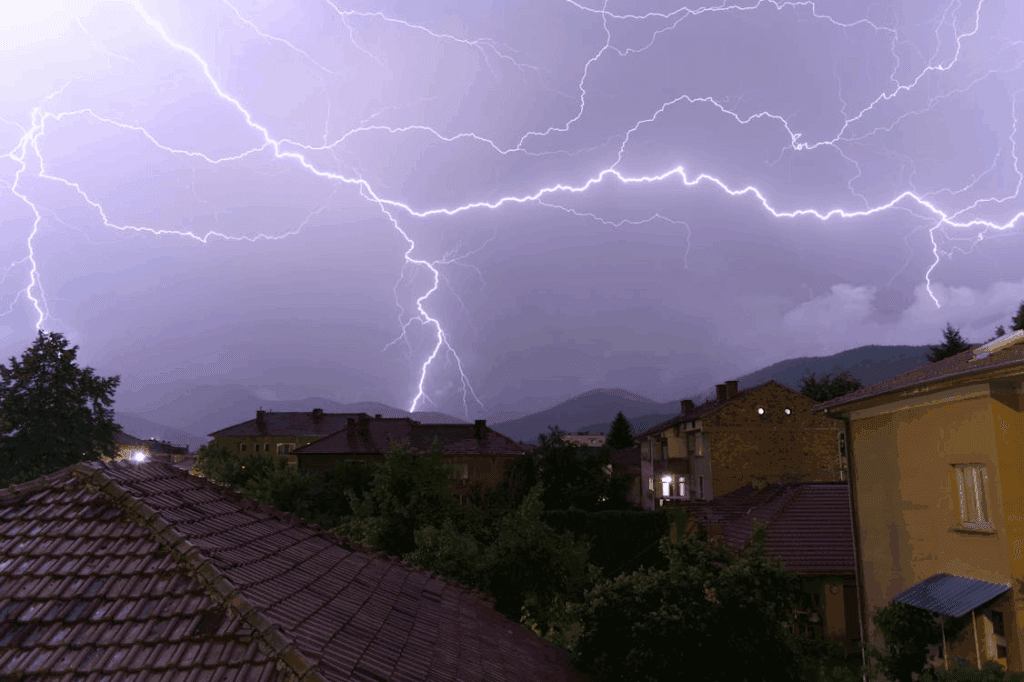
High winds, hail, and rapid temperature swings can loosen or deform flashing over time. Storm-driven rain can exploit even small gaps, forcing water into places it wouldn’t normally reach. Repeated exposure to severe weather increases the likelihood of flashing separation, making storm damage roof repair an essential follow-up after major weather events—even if visible damage seems minimal.
Preventing Flashing Failure with Proactive Care
The best way to prevent flashing problems is through regular inspections, timely repairs, and quality materials. Sealants should be checked for cracking, fasteners tightened as needed, and deteriorating sections replaced before leaks develop.
Sealant Failure and Aging Caulking
Exposure to UV rays, temperature swings, and moisture causes caulking to dry out, crack, or pull away from surfaces. Once this happens, water can slip behind flashing and bypass the roofing system entirely. This issue is especially common on older roofs with asphalt roofing, where aging materials expand and contract more aggressively, and putting extra stress on sealant joints.
Deferred Inspections That Miss Early Warning Signs
Small gaps, lifted edges, or loose fasteners usually appear long before active leaks develop. When routine inspections are skipped, these early warning signs go unnoticed until interior damage forces urgent repairs. Regular evaluations help catch minor flashing issues before they escalate.
Seal the Gaps Before They Become Costly Leaks
At WaterTite Exteriors, we’ve seen how something as small as failing flashing can lead to widespread roof damage when it’s ignored. Flashing issues rarely fix themselves—they demand knowledgeable assessment and precise solutions. Whether you’re working with experienced commercial roofing contractors in Johns Creek to address recurring leaks or planning preventative upgrades tied to commercial roof installation in Peachtree Corners, our approach is built on craftsmanship, and long-term value. To discuss your specific needs reach out today and take a confident step toward a more secure, leak-resistant roof.

