
Roofing decisions are often influenced by long-standing assumptions that sound practical but rarely reflect how modern roofing systems perform. These myths can quietly increase expenses through delayed repairs, shortened material lifespan, and inefficient maintenance habits. By separating fact from fiction, property owners gain clarity on how roofs actually age, respond to weather, and require care. Understanding these misconceptions helps prevent unnecessary spending while supporting smarter planning and long-term roof performance.
Myth One: Roof Repairs Are Only Needed When Leaks Appear
One of the most costly misconceptions is the belief that visible leaks are the first sign of trouble. In reality, damage often begins beneath surface layers, remaining hidden for extended periods. Moisture intrusion, seam separation, and flashing deterioration progress quietly before reaching interior spaces. Timely attention through proactive commercial roof repair prevents structural exposure and avoids the higher costs associated with advanced material failure.
Myth Two: All Roofing Materials Perform the Same Over Time
Another common assumption suggests that material choice has little impact on durability or upkeep. Different roofing systems respond uniquely to temperature changes, moisture, and environmental exposure. For example, metal roofing resists expansion stress differently than shingle systems, while membrane roofs manage moisture movement in distinct ways. Selecting materials based on performance characteristics rather than appearance alone reduces premature replacement risks.
Myth Three: Maintenance Is Optional Until Problems Arise
Skipping routine upkeep is often justified as a cost-saving measure, yet this approach typically leads to higher expenses later. Regular roof maintenance addresses minor wear before it escalates into system-wide issues. Clearing debris, checking drainage paths, and monitoring surface conditions preserve structural integrity.
Myth Four: Inspections Only Matter After Severe Weather
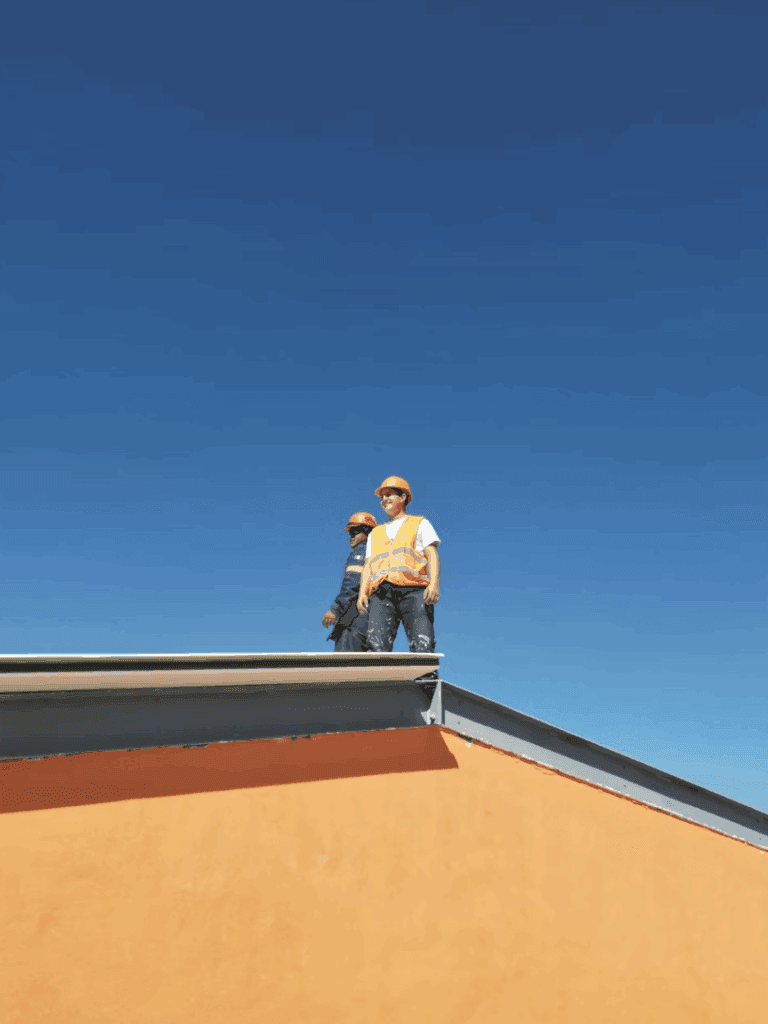
Many believe inspections are only necessary following storms, overlooking the value of scheduled evaluations. Gradual deterioration from sun exposure, temperature shifts, and material fatigue occurs regardless of weather events. A routine commercial roof inspection identifies developing vulnerabilities early, allowing corrective action before damage spreads. Consistent inspections provide insight into roof health trends rather than reacting solely to emergencies.
Myth Five: Storm Damage Is Always Obvious
Storm-related damage does not always present clear visual indicators. Wind uplift, displaced fasteners, or punctured membranes may remain unnoticed from ground level. Addressing storm damage roof repair promptly limits moisture infiltration and structural weakening. Assuming damage is visible often delays intervention, increasing restoration complexity and overall repair costs when problems finally surface.
Myth Six: Hail Only Affects Older Roofs
A widespread belief suggests that hail impacts only aging or weakened systems. In truth, hail can compromise new materials by loosening granules, denting surfaces, or fracturing protective layers. Timely roof hail damage repair protects material performance and prevents gradual deterioration. Ignoring minor hail effects often leads to reduced weather resistance and shortened lifespan, regardless of roof age.
Myth Seven: Replacement Is Always Better Than Repair
Replacement is frequently viewed as the definitive solution, even when targeted repairs could restore performance. In many cases, localized issues can be resolved without full system removal. Strategic commercial roofing decisions balance repair and replacement based on condition rather than assumption. This approach preserves functional materials, reduces waste, and ensures investments align with actual roof needs.
Myth Eight: Roofing Care Ends After Installation
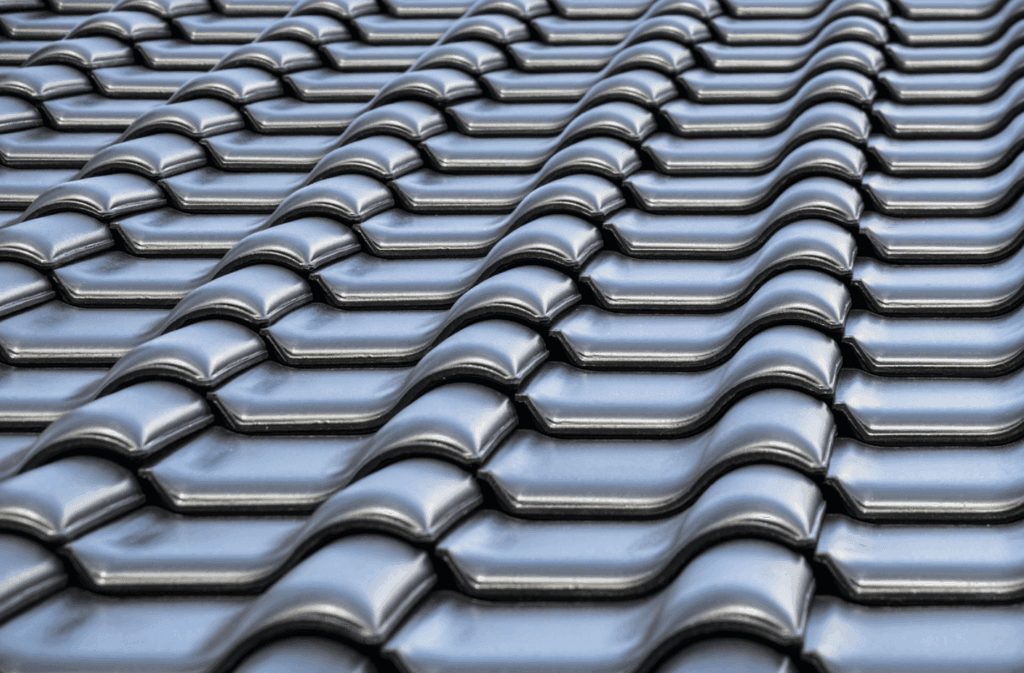
Installation is often treated as the final step, yet roofing systems require ongoing oversight. Environmental exposure continuously affects seams, coatings, and fasteners. Systems like asphalt roofing benefit from periodic assessment to maintain flexibility and surface protection. Viewing installation as the beginning of a maintenance cycle, rather than the end, supports durability and cost control over time.
Why These Myths Persist and How to Avoid Them
Roofing myths persist due to outdated advice and limited visibility into roof systems. Access to accurate information changes how maintenance and repair decisions are made. Engaging knowledgeable professionals and prioritizing observation over assumption reduces financial risk. When misconceptions are replaced with informed planning, roofing care becomes predictable, strategic, and economically sound.
Clear Direction for Smarter Roofing Decisions
Misunderstandings about roof care often lead to unnecessary expense and avoidable stress. Experience shows that informed planning minimizes disruption while protecting long-term value. Guidance shaped by real-world assessment helps property owners move beyond common myths. Insight gained from work involving commercial roofing in Peachtree Corners and experience supporting commercial roof inspection in Johns Creek reinforces a balanced, evidence-based approach. Each recommendation focuses on accuracy, durability, and practical outcomes rather than assumptions. This perspective defines the standards upheld by WaterTite Exteriors, where clarity and system understanding guide every solution. To review specific conditions and gain direction tailored to actual roof performance, connect today for next step guidance.

