
When roofing problems arise, homeowners and property managers often face a pivotal decision: fix what’s broken or invest in an energy-efficient upgrade. Immediate repairs may feel like the fastest and least expensive option, but modern roofing systems offer long-term savings through improved insulation, reflectivity, and durability. Understanding the financial, structural, and energy implications of both choices helps you make a confident decision.
Understanding the True Cost of Roof Repairs
Roof repairs are often necessary to address leaks, storm damage, or localized wear. They restore function quickly and can extend the life of an otherwise healthy roof. However, repeated repairs over time can quietly add up, especially when underlying inefficiencies remain unresolved. Aging materials may continue absorbing heat or allowing air loss, increasing energy bills even after repairs are completed.
What Makes Roofing Energy-Efficient?
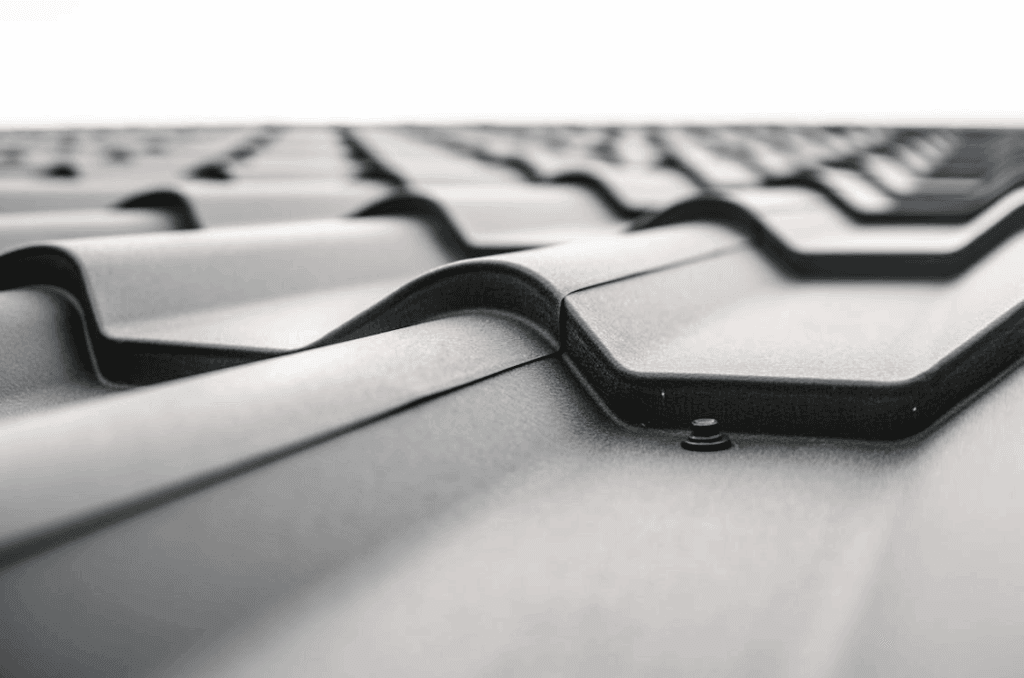
Energy-efficient roofing is designed to reduce heat transfer into and out of a building. Reflective surfaces deflect sunlight, while advanced insulation minimizes temperature fluctuations indoors. These systems reduce strain on HVAC equipment and improve indoor comfort year-round. Options such as metal roofing and cool roof membranes are especially effective in managing solar heat gain, making them increasingly popular for both residential and commercial applications.
Short-Term Fixes vs. Long-Term Savings
Repairing a damaged roof section may solve an immediate problem, but it doesn’t always improve energy performance. In contrast, upgrading to an energy-efficient system can significantly reduce monthly utility costs over time. While the upfront investment is higher, the cumulative savings often offset installation expenses. This long-term perspective is commonly considered when evaluating commercial roof repair options, especially for buildings with high energy demands.
How Roof Age Influences the Decision
Newer roofs with isolated damage are usually good candidates for repair. Older systems nearing the end of their lifespan, however, may benefit more from a full upgrade. Materials degrade over time, losing both protective and insulating qualities. This is a common concern with asphalt roofing, where heat absorption and material breakdown increase as the roof ages.
Energy Efficiency and Property Value
An energy-efficient roof isn’t just about utility savings—it can also boost property value. Buyers and tenants increasingly prioritize energy-conscious features, viewing them as indicators of lower operating costs and better building performance. Reflective and insulated systems also tend to have longer service lives, reducing future replacement concerns.
Climate, Storm Exposure, and Roofing Choices
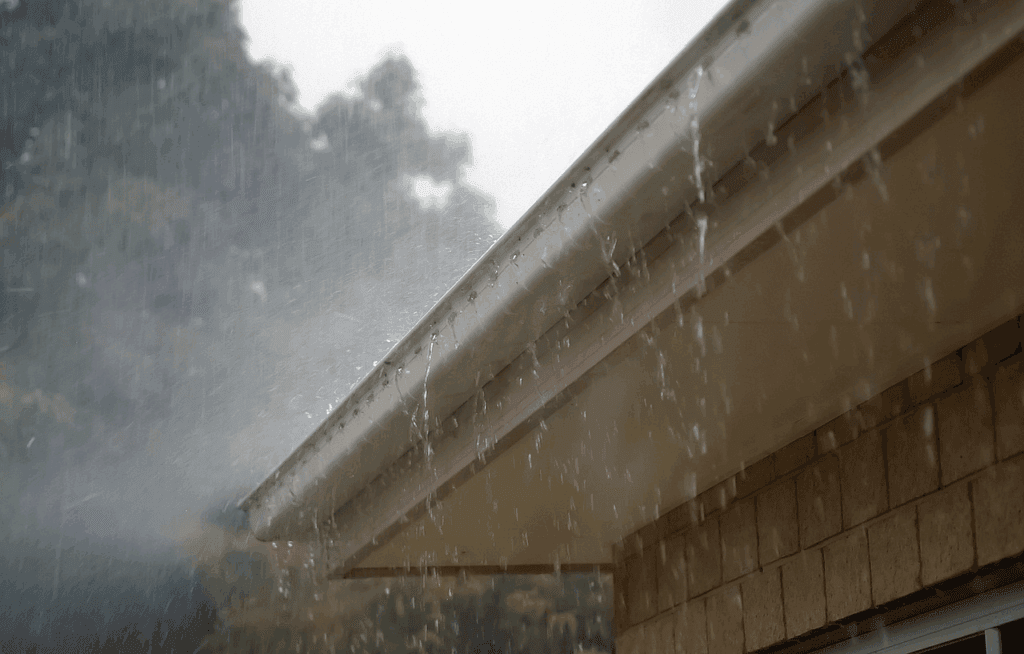
Regions experiencing frequent storms may require more resilient systems designed to withstand impact and wind. Repeated weather-related repairs can signal it’s time for a more durable solution, especially after events that lead to storm damage roof repair becoming a recurring need.
Balancing Budget, Performance, and Sustainability
Repairs may be the right choice when damage is minimal and the roof is relatively new. Energy-efficient upgrades make sense when you’re looking to reduce operating costs, improve comfort, and minimize environmental impact. Evaluations involving commercial roof maintenance often help clarify which path delivers the best overall value.
Maintenance Requirements after Repair vs. Upgrade
Roof repairs often come with ongoing maintenance needs, especially if older materials remain in place. Patched areas may require frequent monitoring to ensure seals hold and new leaks don’t form nearby. Energy-efficient upgrades, by contrast, are typically designed with durability and performance in mind, reducing routine upkeep over time.
Environmental Impact and Energy Responsibility
Reflective and insulated systems lower energy consumption, reducing carbon emissions tied to heating and cooling. For property owners looking to future-proof their buildings, this environmental benefit can be just as compelling as financial returns. Choosing materials with higher efficiency ratings is often part of strategic planning discussions around commercial roofing, where long-term operational impact matters as much as immediate performance.
Investing Today for Smarter Roofing Tomorrow
At WaterTite Exteriors, we’ve helped countless property owners weigh the real difference between short-term repairs and long-term efficiency upgrades. Roofing decisions aren’t just about fixing today’s problem—they’re about protecting your investment for years to come. Whether you’re working with trusted roofers in Lawrenceville, GA to address ongoing issues or considering a forward-thinking upgrade like commercial roofing contractors in Alpharetta our approach is rooted in transparency, craftsmanship, and results you can rely on. To discuss your specific needs reach out today and take the next step toward a stronger, more efficient roof.

