
A well-insulated roof often receives attention for energy efficiency, yet airflow plays an equally critical role in long-term performance. Ventilation regulates temperature, controls moisture movement, and protects roofing materials from unnecessary strain. Without balanced airflow, even high-quality insulation can trap heat and humidity, accelerating deterioration. Understanding how ventilation supports roof health helps property owners make informed decisions that preserve structure, comfort, and durability throughout changing seasonal conditions.
How Roof Ventilation Regulates Heat Movement
Proper ventilation allows hot air to escape before it becomes trapped beneath roofing surfaces. When heat accumulates, materials expand unevenly and experience premature wear. Consistent airflow reduces surface stress and stabilizes indoor comfort levels. This principle applies across residential and commercial roofing systems, where ventilation supports balanced temperature control and prevents hidden damage caused by prolonged heat retention under the roof deck.
Moisture Control Beyond Insulation Layers
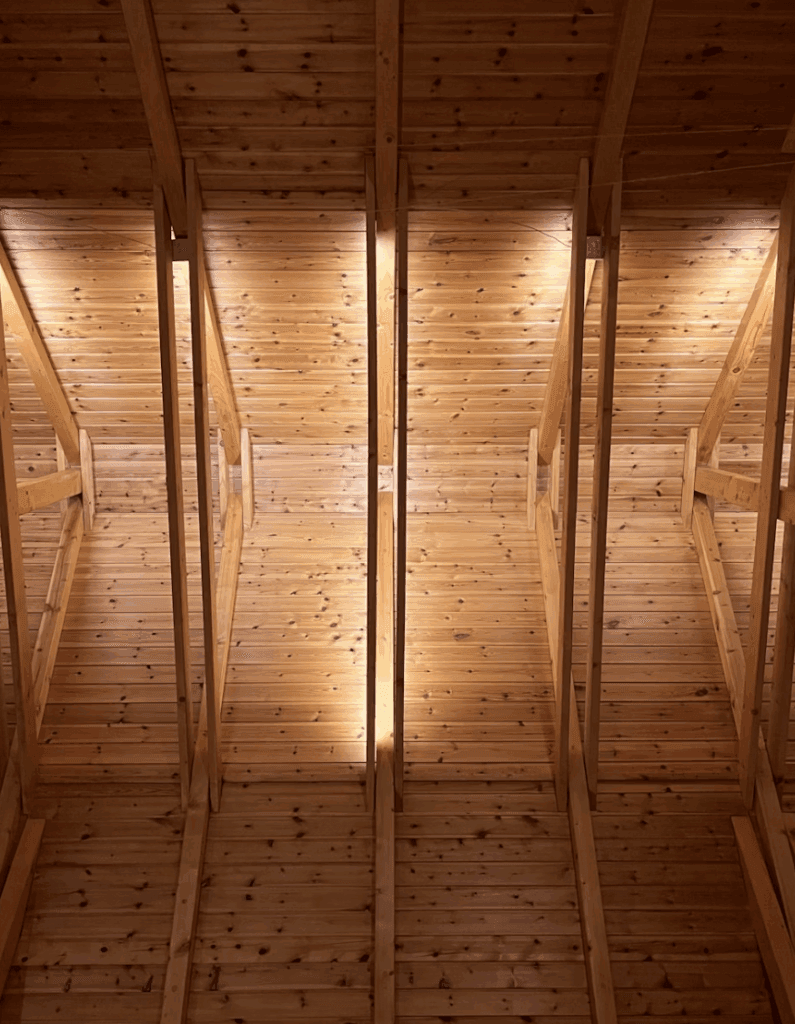
Insulation slows heat transfer, yet it does not remove moisture already present in the attic space. Poor ventilation allows condensation to linger, encouraging mold growth and wood decay. Continuous airflow carries moisture outward, preserving framing and decking integrity. When ventilation is ignored, minor concerns can escalate into costly commercial roof repair, highlighting the importance of airflow in moisture management strategies.
Material Longevity and Air Circulation

Roofing materials respond directly to temperature fluctuations and trapped humidity. Shingles, panels, and fasteners deteriorate faster when exposed to stagnant conditions. Effective ventilation minimizes thermal cycling and supports consistent drying after rainfall. Systems such as metal roofing particularly benefit from airflow, as controlled temperatures reduce expansion stress and help maintain protective finishes over extended service periods.
Energy Efficiency and Indoor Comfort Balance
Ventilation works alongside insulation to regulate indoor environments without overburdening climate systems. By releasing excess heat, airflow reduces strain on cooling equipment and promotes stable interior conditions. Balanced systems prevent attic overheating that radiates downward. When paired with routine commercial roof maintenance, ventilation contributes to predictable energy performance and a more comfortable interior experience year round.
Ventilation Role in Seasonal Roof Inspections
Seasonal inspections often focus on visible surfaces, yet ventilation components deserve equal attention. Blocked vents, damaged louvers, or improper intake placement compromise airflow effectiveness. Regular evaluation through a professional commercial roof inspection ensures ventilation remains unobstructed and aligned with roof design. Identifying airflow issues early prevents cumulative stress that insulation alone cannot resolve.
Weather Exposure and Post Event Ventilation Checks
After severe weather, ventilation systems may shift or become obstructed by debris. Restricted airflow following storms traps moisture and heat when materials are already stressed. Addressing airflow promptly supports recovery and limits secondary damage. In many cases, ventilation assessment accompanies storm damage roof repair, reinforcing the roof’s ability to dry and stabilize after extreme conditions.
Airflow Planning for Long Term Roof Performance
Ventilation planning should consider roof slope, material type, and interior usage patterns. A balanced intake and exhaust approach supports continuous air movement without drafts or pressure imbalance. Asphalt roofing rely on stable conditions to maintain granule adhesion and flexibility. Strategic airflow design strengthens overall system reliability and reduces premature aging risks.
Why Ventilation Supports Damage Prevention Efforts
Ventilation influences how a roof responds to environmental stressors, including hail and heavy rainfall. Proper airflow helps surfaces dry quickly and limits internal moisture buildup after impact events. Ventilation complements restoration efforts and extends repair effectiveness.
Professional Perspective on Ventilation Solutions
Ventilation solutions vary widely based on structure and usage, making professional evaluation valuable. Airflow design requires coordination between insulation placement, vent sizing, and roof geometry. When ventilation is optimized, the roof system performs as intended across seasons. This integrated approach reduces reactive repairs and supports predictable maintenance planning over the roof lifecycle.
Focused Solutions for Long-Term Roof Efficiency
Roof ventilation decisions shape how materials age and how interiors respond to seasonal stress. Hidden airflow limitations often undermine insulation performance without obvious surface warning signs. Careful evaluation reveals where heat and moisture movement disrupt system balance. Experience drawn from properties requiring commercial roofing in Peachtree Corners and planning around commercial roof repair in Loganville supports informed, location-aware insight. Each step centers on accuracy and long-term reliability rather than short-term correction. These standards define the approach followed by WaterTite Exteriors, where ventilation strategy is integral to roof health. To assess specific conditions and determine how improved airflow can support roof stability, contact them today for professional direction.

