
A roof responds differently to shifting seasons, temperature changes, and evolving moisture levels. Staying attentive throughout the year helps preserve structure, prevent hidden deterioration, and extend material lifespan. This quarterly approach highlights practical actions that support durability, efficiency, and safety while reinforcing sound commercial roofing practices for responsible home ownership.
Understanding Seasonal Stress on Roofing Systems
Each season introduces unique stressors that influence shingles, fasteners, flashing, and ventilation. Heat expansion, cold contraction, wind uplift, and prolonged moisture exposure gradually weaken protective layers. Awareness of how commercial roofing systems respond to these transitions helps homeowners anticipate vulnerabilities early. Regular observation allows subtle changes to be addressed before they escalate into disruptive or costly issues.
Spring Inspection and Surface Recovery
Spring encourages a detailed visual review after colder months. Debris removal clears drainage paths and reveals surface conditions that winter concealed. This is an ideal time for a professional commercial roof inspection, as thaw cycles may loosen seams or compromise sealants. Early detection supports timely corrections and restores roof readiness for increased rainfall and temperature variability ahead.
Summer Ventilation and Heat Management
Extended warmth places constant pressure on roofing materials, especially those exposed to direct sunlight. Proper airflow reduces trapped heat, limiting warping and premature aging. Evaluating attic circulation complements exterior checks, while metal roofing benefits from reflective performance during intense sun exposure. Proactive heat management preserves comfort indoors and protects structural layers from thermal fatigue.
Autumn Preparation for Moisture and Debris
Falling leaves and seasonal storms introduce new challenges. Clearing organic buildup prevents moisture retention and microbial growth. Attention to joints and transitions is crucial, as small openings invite water infiltration. Consistent commercial roof maintenance during this period reinforces weather resistance and prepares the roof for colder, wetter conditions that test resilience and drainage efficiency.
Preparing Flashing and Sealants for Seasonal Shifts
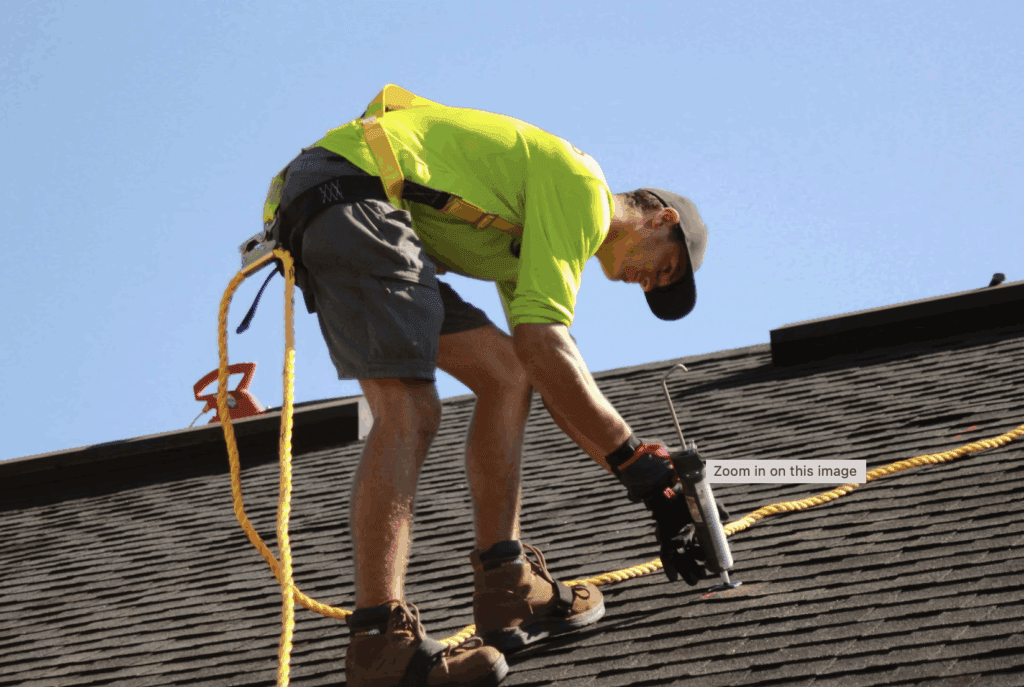
Flashing and sealants play a critical role in directing water away from vulnerable roof intersections during seasonal transitions. Temperature swings can cause these materials to expand, contract, or separate over time. Careful inspection of chimneys, vents, and edge details helps prevent moisture intrusion before colder conditions set in. Addressing minor gaps early supports long-term protection and reduces the likelihood of unexpected commercial roof repair needs as weather patterns become less predictable.
Winter Monitoring and Structural Awareness
Cold weather demands vigilance without unnecessary disturbance. Snow accumulation, ice formation, and freeze-thaw cycles increase load stress and reveal insulation weaknesses. Materials like asphalt roofing require observation for cracking or brittleness. Safe ground-level monitoring helps identify warning signs early, ensuring professional evaluation occurs before minor stress evolves into structural compromise.
Material Performance Awareness During Extended Cold Exposure
Cold conditions influence roofing materials differently, making awareness essential during winter months. Reduced flexibility can expose weaknesses in fasteners and surface layers, particularly after repeated freeze and thaw cycles. Monitoring how roofing materials respond to sustained cold helps guide future maintenance decisions. Understanding seasonal behavior also supports better planning for upgrades or replacements involving asphalt roofing, ensuring materials remain effective under prolonged environmental stress.
Post-Storm Evaluation and Timely Response
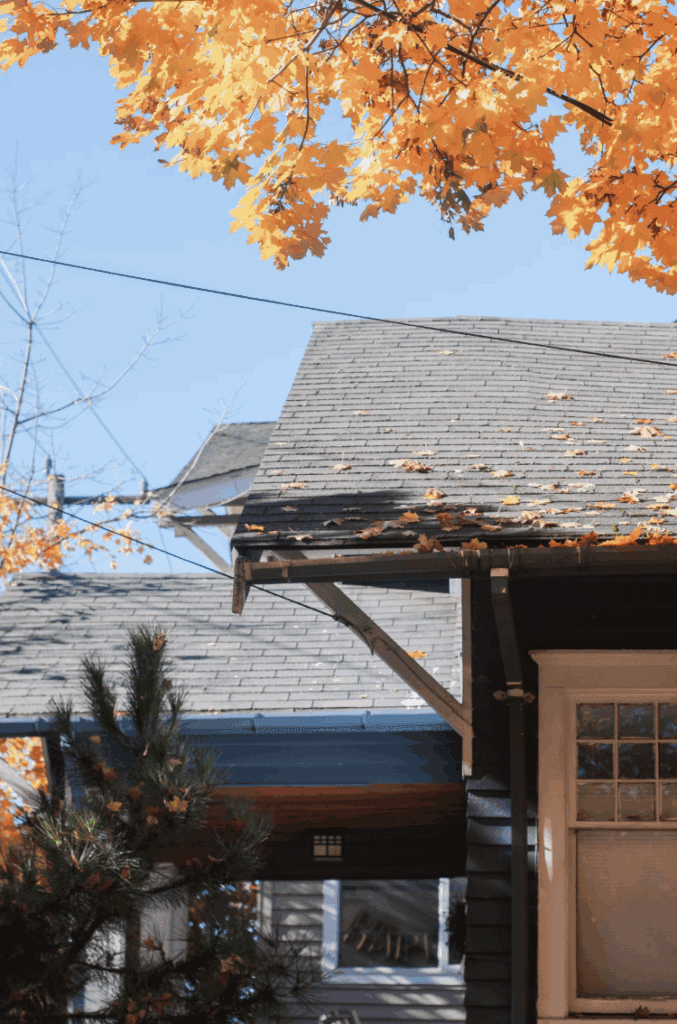
Severe weather can cause immediate or delayed damage. After heavy wind or hail events, surface granule loss, dents, or displaced components may appear. Addressing storm damage roof repair promptly limits interior exposure and secondary deterioration. In hail-prone regions, roof hail damage repair safeguards both aesthetic integrity and long-term waterproofing performance.
Guidance for Ongoing Care and Professional Support
Seasonal attention builds confidence in roof reliability and simplifies long-term planning. Consistent routines align homeowner awareness with professional insight, reinforcing protection year-round. When quarterly habits align with commercial roof repair strategies, unexpected disruptions become manageable. This proactive rhythm ensures the roof remains a dependable barrier through every weather transition.
Trusted Support for Seasonal Roofing Needs
Reliable roofing care becomes essential as seasonal changes intensify and unexpected weather events arise. WaterTite Exteriors recognizes how routine evaluations and timely action reduce long-term disruption and protect overall property value. Expertise spans residential insight and complex systems, including guidance related to roofers in Lawrenceville, GA and commercial roofing in Alpharetta. Value is delivered through attentive service, material knowledge, and consistent standards that prioritize durability. A commitment to clear communication and dependable outcomes distinguishes every project approach. For deeper insight into experience and values, explore WaterTite Exteriors and the principles shaping every service. To discuss specific needs and explore how support aligns with seasonal priorities, reach out today to begin the conversation.

