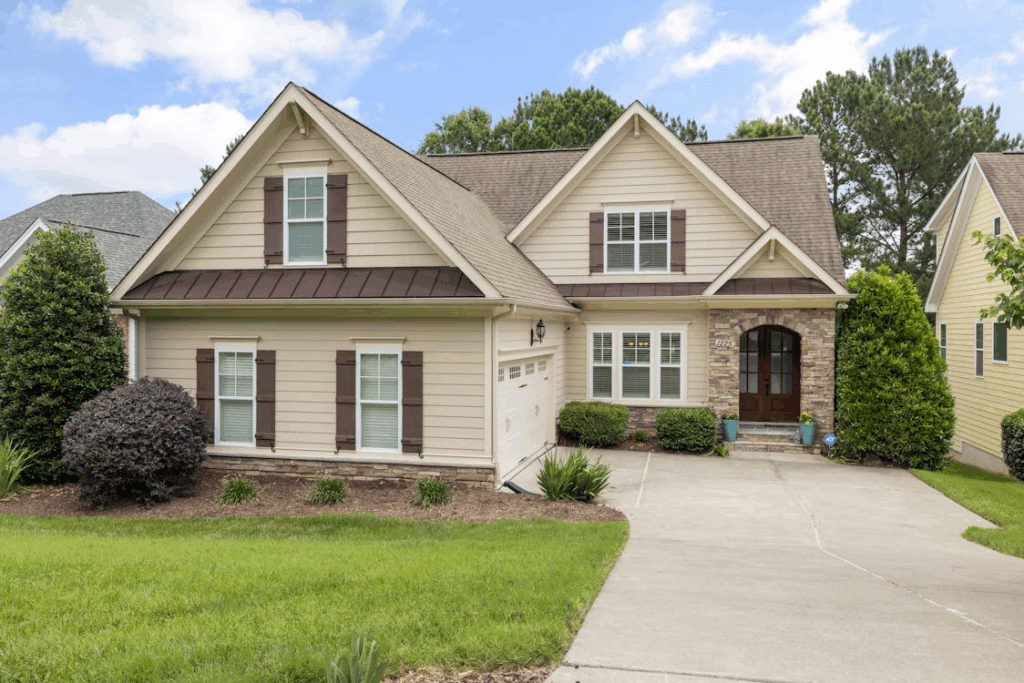
When it comes to roof inspections, many homeowners focus only on what they can see from the ground or during a quick visual check. While obvious issues like missing shingles or visible leaks are important, some of the most costly problems are hidden in areas that often get overlooked.
A thorough roof inspection goes beyond the surface. Let’s discuss the areas that homeowners and even some inspectors tend to miss, and what to look for to keep your roof in top shape.
1. Flashing Around Roof Penetrations
Flashing is the metal barrier installed around chimneys, vents, skylights, and other roof penetrations. Its job is to prevent water from seeping into the roof structure.
Why It’s Overlooked: Many inspections focus on shingles and general wear, neglecting flashing, which can corrode, crack, or lift over time.
What to Check: Look for rust, gaps, or loose nails. Even a small failure in flashing can allow water to enter your attic and cause significant damage.
2. Roof Valleys
Roof valleys are the channels formed where two roof planes meet. They guide water off the roof, making them critical to preventing leaks.
Why It’s Overlooked: Valleys are often partially hidden and can accumulate debris, which traps moisture and accelerates wear.
What to Check: Ensure valleys are free of leaves, branches, and moss. Inspect the shingles carefully for cracking or curling, as damaged valley shingles are a common source of leaks.

1. Gutters and Downspouts
Gutters aren’t technically part of your roof, but they directly affect how water flows away from it. Clogged or damaged gutters can cause water to back up onto the roof, leading to rot and leaks.
Why It’s Overlooked: Homeowners often clean gutters themselves, but forget to check the roof edges for damage caused by overflow.
What to Check: Look for sagging sections, debris buildup, and signs of water damage on the fascia. Make sure downspouts direct water away from your foundation.
2. Attic Ventilation and Insulation
The roof deck and shingles may look fine, but hidden issues in the attic can compromise your roof from underneath. Poor ventilation and insulation can trap moisture, accelerate shingle deterioration, and lead to mold growth.
Why It’s Overlooked: Many inspections stop at the roof surface, ignoring the attic space entirely.
What to Check: Look for proper airflow, signs of condensation, and wet or damaged insulation. A well-ventilated attic extends the life of your roof and protects your home’s interior.
3. Roof Decking and Underside Issues
Sometimes the biggest problems aren’t visible from the top. Roof decking, the wooden base under your shingles, can rot or warp, compromising the roof’s structural integrity.
Why It’s Overlooked: Unless there’s a leak or severe sagging, most surface inspections won’t reveal issues with the deck underneath.
What to Check: Experienced inspectors can use moisture meters or infrared cameras to detect hidden water damage. Look for sagging areas, unusual dips, or soft spots that might indicate decay.