
A home’s roof does more than shield against the weather—it plays a crucial role in energy efficiency. The type of roofing material, its condition, and insulation performance can all affect how hard heating and cooling systems must work to maintain indoor comfort. A well-designed, well-maintained roof can significantly lower monthly utility bills, while an outdated or damaged one can drive costs up without homeowners even realizing it. Understanding how a roof influences temperature regulation is the first step toward a more energy-smart home.
The Roof as an Energy Regulator

Every roof acts as a barrier between outdoor temperatures and indoor living spaces. When sunlight hits the surface, the roof either absorbs or reflects heat depending on its material and color. Lighter roofs reflect more solar radiation, keeping interiors cooler in summer, while darker materials tend to retain heat—ideal for colder regions. Proper insulation beneath the surface ensures that conditioned air stays inside, reducing strain on HVAC systems and lowering electricity consumption. Without this insulation balance, even the most advanced heating or cooling system will struggle to perform efficiently.
How Roofing Materials Impact Energy Costs
Material choice is one of the biggest factors influencing energy use. For instance, metal roofing has become a leading option for energy-conscious homeowners. Its reflective coating helps deflect UV rays, reducing indoor heat gain by as much as 25%. Similarly, asphalt roofing remains a cost-effective solution when paired with modern, energy-rated shingles that resist heat absorption. Beyond aesthetics, choosing materials with high solar reflectance and thermal emittance values can lead to significant long-term savings. Proper installation also matters—any gap or seam left unsealed can compromise the roof’s ability to insulate effectively.
The Role of Roof Ventilation and Insulation
Ventilation often goes unnoticed, yet it’s vital for maintaining energy balance. In the attic, poor airflow can trap hot air, causing indoor temperatures to rise and overworking air conditioners. Conversely, in winter, inadequate ventilation can lead to condensation and mold, undermining insulation performance. Combining sufficient attic vents with quality insulation ensures heat moves naturally, preventing temperature extremes. Regular roof maintenance—including inspecting vents, seals, and insulation layers—can enhance overall efficiency. Even minor issues, if ignored, can escalate into costly energy leaks.
The Cost of Neglecting Roof Care
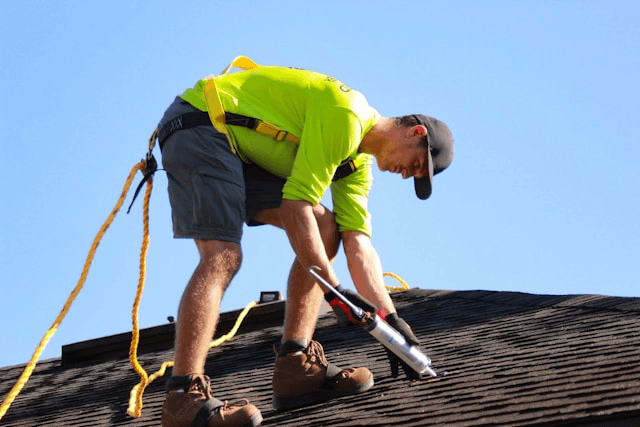
Energy efficiency depends as much on upkeep as on materials. Cracked shingles, loose flashing, and clogged gutters might seem minor, but collectively, they reduce a roof’s insulating capacity. A neglected roof allows moisture intrusion and air leaks, forcing HVAC units to run longer. Routine checkups, especially after severe weather, can prevent such inefficiencies. In cases of storm damage, timely storm damage roof repair in Loganville not only protects structural integrity but also prevents energy loss through hidden leaks or punctures. Regular inspections also help homeowners identify when small issues can be fixed rather than requiring full replacement—saving both energy and money.
Commercial Roofing and Energy Efficiency
In business settings, energy waste from an outdated roof can dramatically affect operating costs. Flat or low-slope roofs, common in commercial structures, tend to absorb heat faster. Upgrading to reflective membranes, improving insulation, and scheduling commercial roof maintenance in Peachtree Corners are proven ways to enhance performance. For larger structures, commercial roofing systems can even be customized to incorporate energy-saving technologies such as cool coatings or rooftop solar panels. Investing in professional evaluation ensures the chosen system complements both climate conditions and building function, optimizing comfort without increasing overhead.
Building Smart: Energy Savings Start from the Top
Energy-efficient living begins with a well-performing roof. The right materials, proper insulation, and consistent maintenance work together to stabilize indoor temperatures and reduce HVAC strain. Even small upgrades, like replacing worn shingles or improving ventilation, can lead to noticeable cost reductions. Whether managing a commercial property or maintaining a family home, taking a closer look at the roof could uncover hidden opportunities for energy savings.
Your Next Step Toward Smarter Energy Savings
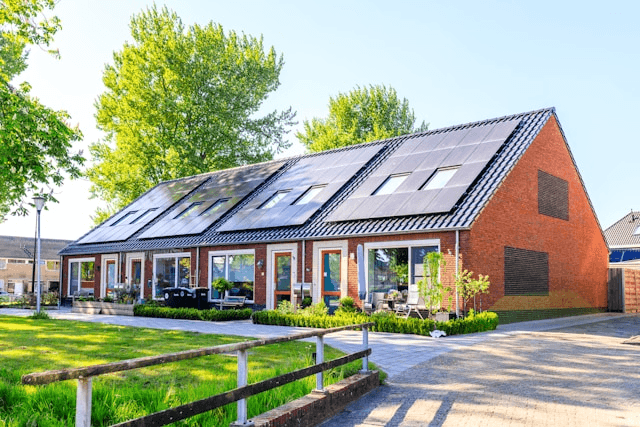
A dependable, energy-efficient roof is one of the smartest investments for any property. When heating and cooling costs rise unexpectedly, it’s due to the roofing. By choosing expert craftsmanship and quality materials, those expenses can be significantly reduced. With decades of expertise, WaterTite Exteriors helps clients maximize performance through trusted solutions in commercial roof repair in Lawrenceville, GA, and metal roofing in Alpharetta. Every project is guided by precision, safety, and sustainability—ensuring lasting protection and measurable efficiency gains. To discuss your specific needs and explore how we can help, reach out to our team today for personalized guidance and service that puts long-term savings first.

