
A sudden roof leak can turn a calm day into a stressful scramble. Whether it starts as a slow drip or a steady stream of water, the first hour after discovering a leak is critical. Quick, informed action can dramatically reduce interior damage, protect structural components, and lower overall repair costs. This guide walks homeowners through what to do immediately, how to limit further harm, and how smart planning supports long-term protection.
Stay Calm and Control Interior Water Flow
The moment you notice water coming in, your first priority is minimizing interior damage. Move furniture, electronics, and valuables out of the affected area, then place buckets or containers to catch dripping water. If the ceiling is bulging, carefully puncturing the lowest point can help release trapped water and prevent collapse. These early containment steps are often emphasized by professionals involved in storm damage roof repair, as they significantly reduce secondary damage to drywall, flooring, and insulation.
Identify the Leak Source—Safely
While water may appear in one spot, the actual entry point is often elsewhere. Follow water stains upward and look for damp insulation or framing in accessible attic spaces. Avoid climbing onto the roof during storms or high winds, as this creates serious safety risks. Leak tracing is a foundational step in commercial roof inspection, where understanding water pathways helps determine whether the issue is flashing failure, shingle damage, or a compromised seam.
Temporarily Protect the Roof from the Outside
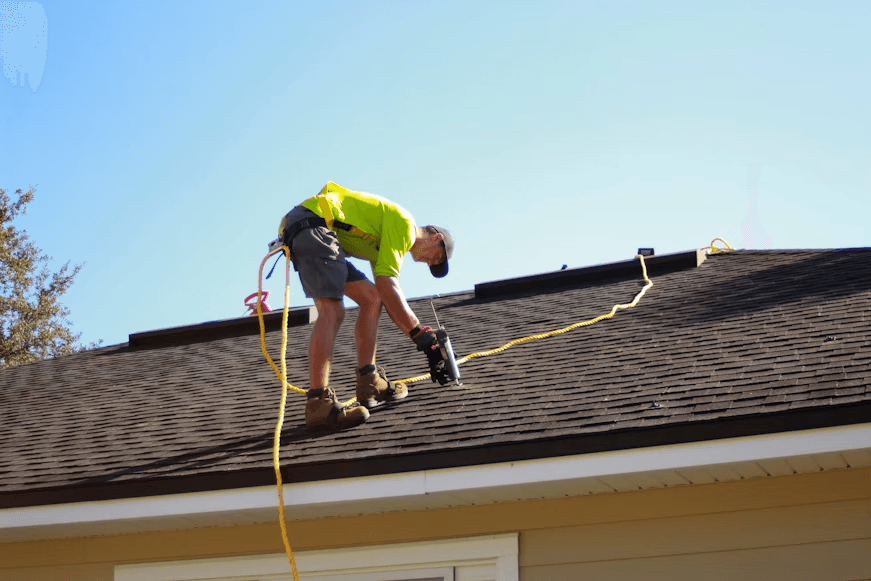
If conditions allow and it’s safe to do so, temporary exterior protection can limit ongoing water intrusion. Tarps secured over the suspected leak area help divert rain until professional repairs are possible. This short-term solution is commonly used in emergency scenarios similar to those requiring commercial roof repair, buying time without worsening the damage. The goal is protection, not a permanent fix.
Reduce Moisture to Prevent Mold Growth
Once water intrusion is under control, drying the affected area becomes essential. Use fans, dehumidifiers, and open windows when weather permits. Moisture left behind can lead to mold growth within 24–48 hours, creating health risks and compounding repair costs.
Document the Damage for Insurance Purposes
Before cleanup or repairs begin, take clear photos and videos of all visible damage, including ceilings, walls, flooring, and personal belongings. Detailed documentation supports insurance claims and helps establish the timeline and cause of the leak.
Avoid Common Emergency Repair Mistakes
It’s tempting to apply sealants or patches immediately, but improper materials or techniques can trap moisture and worsen the problem. Temporary fixes should never replace professional assessment. Missteps at this stage can complicate future repairs, a lesson frequently learned during commercial roof replacement, when hidden damage surfaces due to earlier, improper fixes.
Shut off Electrical Risks Near the Leak
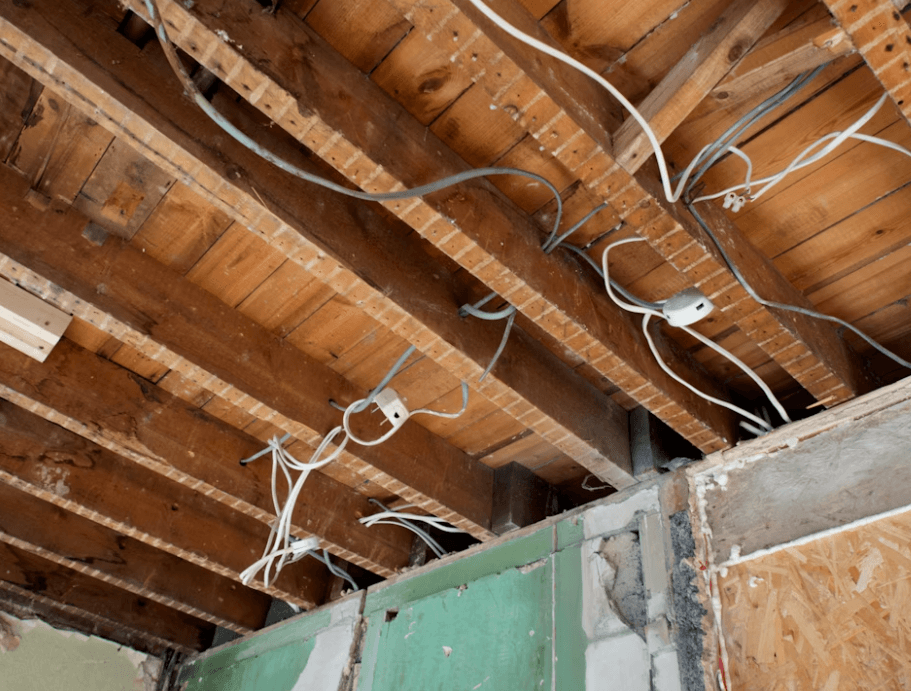
If water is dripping close to light fixtures, outlets, or ceiling fans, shut off power to that area at the breaker panel to reduce fire and shock hazards. Avoid touching wet surfaces near wiring until power is safely disconnected. This precaution is especially important for homes with aging systems or metal roofing, where leaks can travel along fasteners and framing before becoming visible inside the home.
Know When a Leak Signals a Bigger Roofing Issue
Not every roof leak is an isolated incident. Repeated leaks in the same area, widespread staining, or water appearing after minor rainfall may indicate deeper system failure rather than surface damage. In these cases, emergency action should be followed by a professional evaluation to determine whether repairs will truly solve the problem or simply delay it.
When Immediate Action Meets Long-Term Protection
At WaterTite Exteriors, we know how overwhelming an emergency roof leak can feel, especially when every minute counts. Roof leaks don’t just threaten your ceilings—they put your entire structure at risk if not handled correctly. Whether homeowners are seeking dependable commercial roof installation in Peachtree Corners, after a sudden storm or exploring options like storm damage roof restoration in Alpharetta, our approach is built on experience, quality craftsmanship, and clear communication. To discuss your specific needs and explore how we can help, reach out today and take the first step toward restoring peace of mind and protecting your home with confidence.

