
Your roof is designed to protect your home or commercial property from the elements, but it’s often vulnerable to threats that don’t come from the sky. Animals and pests can silently compromise roofing systems, causing damage that escalates into costly repairs if left unchecked. From nesting wildlife to destructive insects, these issues can affect shingles, flashing, insulation, and even structural supports.
Raccoons and Larger Wildlife: Structural and Shingle Damage
Raccoons, squirrels, and opossums are among the most destructive roof intruders. These animals are strong, persistent, and often attracted to warm attic spaces. They can tear up shingles, pry open vents, and widen small gaps until they become full entry points. Once inside, their movement and nesting habits damage insulation and decking. Situations like these are commonly uncovered during routine commercial roof inspection, where early signs such as claw marks, lifted flashing, or displaced shingles signal wildlife activity before structural integrity is compromised.
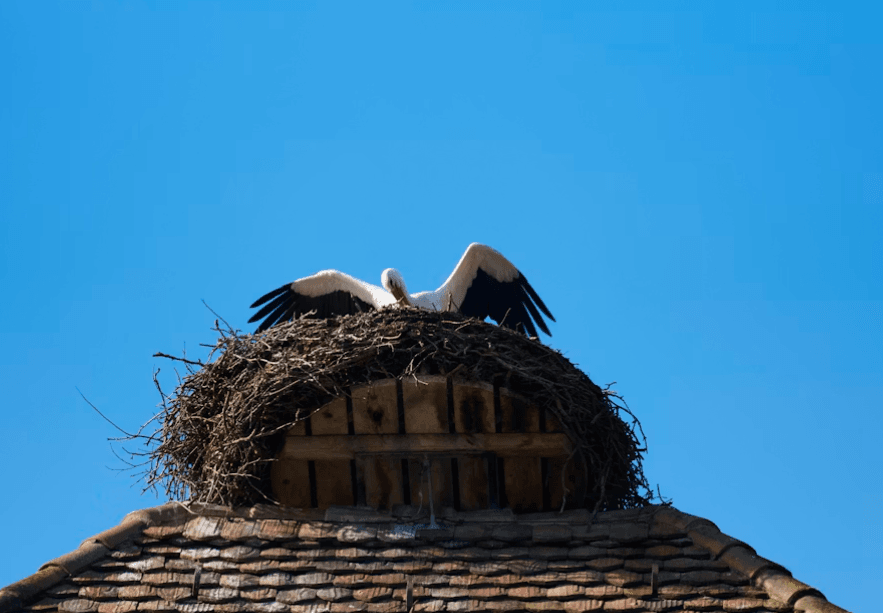
Birds and Nesting Hazards around Roof Openings
Birds may seem harmless, but nesting near chimneys, gutters, and roof edges creates long-term problems. Nesting materials block drainage paths, trap moisture, and accelerate rot around roof penetrations. Over time, this moisture intrusion weakens roofing materials and can contribute to interior leaks. In properties with flat or low-slope systems, bird-related blockages are a frequent concern addressed through commercial roof maintenance, where clearing debris and reinforcing vulnerable openings helps reduce repeated issues.
Termites and Wood-Destroying Insects
Unlike animals that cause visible surface damage, termites and carpenter ants work quietly beneath the roofline. These pests attack wooden components such as rafters, fascia boards, and roof decking, compromising structural stability from the inside out. Damage often goes unnoticed until sagging or leaks appear. For buildings that rely on long-lasting materials, especially those using metal roofing, protecting surrounding wood structures from insect damage is essential to preserving the roof system as a whole.
Rodents and Insulation Destruction
Mice and rats are adept at squeezing through small gaps along rooflines and utility penetrations. Once inside, they chew through insulation, wiring, and even moisture barriers. This not only reduces energy efficiency but also increases fire risk and water intrusion. Rodent damage is frequently identified during commercial roof repair, where gnawed materials and compromised membranes indicate the need for both repair and pest exclusion measures.
Insects That Attract Moisture and Mold
Certain insects, including ants and beetles, thrive in damp environments and often signal underlying moisture problems. Their presence may indicate poor ventilation or drainage issues that allow condensation to build up. Over time, this moisture encourages mold growth and accelerates material breakdown.
Preventative Steps to Protect Your Roof
The most effective way to limit pest-related roof damage is proactive prevention. This includes sealing gaps, installing vent covers, trimming overhanging branches, and scheduling regular inspections. Promptly addressing minor issues reduces the likelihood of infestations becoming structural problems. Ongoing care such as roof maintenance helps identify vulnerabilities early and extends the overall lifespan of the roofing system.
How Seasonal Storms Worsen Existing Pest Damage
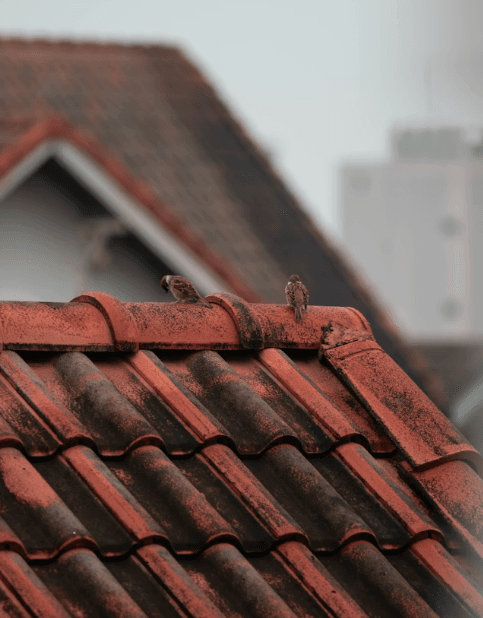
When animals or insects have already compromised roofing materials, seasonal storms can dramatically accelerate deterioration. Heavy rain, high winds, or hail easily exploit weakened shingles, punctured membranes, or damaged flashing left behind by pests. Water intrusion spreads faster through these vulnerable points, often turning minor infestations into widespread structural issues. This is why properties affected by wildlife activity frequently require follow-up services such as storm damage roof repair, where addressing both the storm impact and the underlying pest-related weaknesses is critical to restoring roof performance and preventing repeated damage.
Protect Your Roof Before Small Pests Become Big Problems
At WaterTite Exteriors, we’ve seen firsthand how quickly animal and pest damage can escalate when it’s overlooked. Roofing issues tied to wildlife, insects, or moisture often require more than a quick fix—they demand informed solutions that protect both structure and investment. Whether you’re working with trusted roofers in Lawrenceville, GA or exploring broader solutions like commercial roofing in Alpharetta, our focus is always on delivering dependable workmanship, transparent guidance, and results that last. To discuss your specific needs and explore how we can help, reach out to our team today and get best service.

